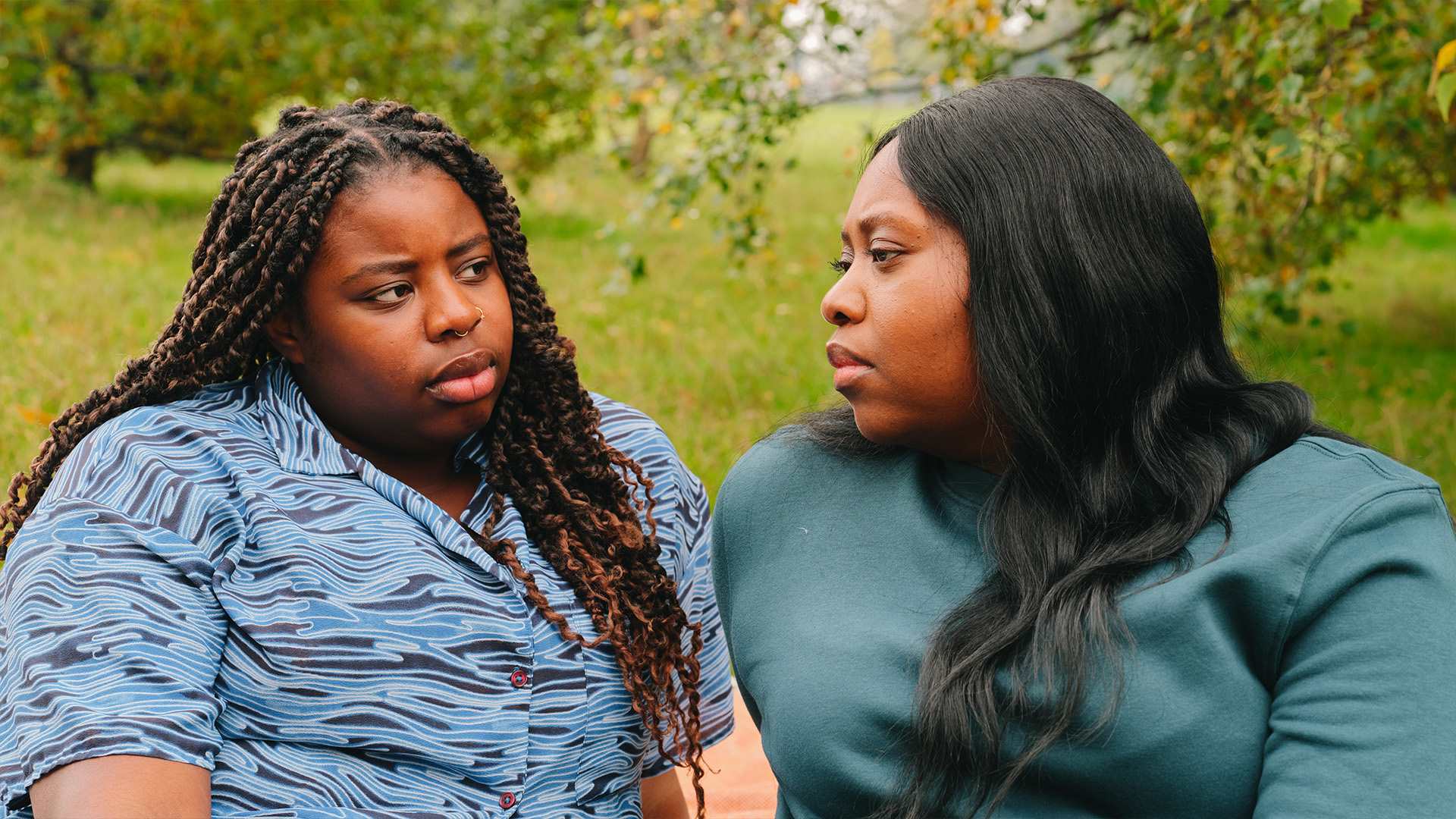
If a young person is self harming, it’s often a sign that something isn’t quite right or has become too much to deal with. It can be understood as an important message about how a young person is feeling – one that needs to be noticed with care by the adults around them.
Self-harm is usually a way of trying to manage very difficult feelings. People often harm themselves when life feels hard to cope with - when distressing feelings have built up and become overwhelming. In the moment, physical pain can be easier than feeling emotionally out of control.
You might hear myths about self-harm, including that it’s a ‘phase’, or attention-seeking. In fact, while it might feel hard to understand from the outside, self-harm can be a way for a young person to:
- manage, reduce or express very strong and upsetting emotions like hurt, sadness, anger, fear or feeling bad about themselves
- relieve tension and pressure, or reduce feelings of panic and anxiety, to temporarily feel calmer
- experience a feeling of physical pain to distract from emotional pain
- gain a sense of control over feelings or problems – for example by feeling there’s something they can do when things feel too much
- stop feeling numb or ‘zoned-out’, a protective process our bodies use when we’re overwhelmed.
Yet while self-harm can bring relief in the moment, this is only temporary. As feelings build up again, so does the urge to self-harm.
As this cycle continues, someone might start to feel ashamed, confused, or frightened. This increases the load they’re already carrying, becoming a cycle that’s hard to break and a habit that’s hard to stop.