Urgent help
-
If your child is in a mental health crisis or you're worried they're not safe, we've got a list of services who can help you now.

If your child needs support for their mental health, you might feel like you’re not sure where to start. On this page, we’ve got a summary of the services, professionals and organisations that can help them. And information about how to find them.
Mental health services and professionals can help with a wide range of issues. You might be worried because your child is:
Whatever’s going on, finding the right help can be confusing and frustrating at times. Parents we spoke to found it helpful to talk to others who’d been through similar things. Other parents will often have ideas about the best professionals to speak to and what’s available in your local area. They also said it was important to remember you're doing your best, and to look after yourself as you go.
I spoke to other parents and those who worked in mental health. I asked them what help they thought I needed. It’s always good to open the conversation up and talk to other parents and mental health professionals. Just keep going and explore all the options you can. Don’t exclude any options and pursue every avenue.
GP stands for ‘general practitioner’. This is a local doctor who provides care for your child’s physical and mental health. Speaking to a GP is usually the first step to accessing free NHS mental health support.
The GP can:
To find out more about GP mental health services, read our guide for parents and carers. This includes advice about supporting your child to get to an appointment if they’re feeling unsure.

CAMHS is the NHS service for children and young people’s mental health. You might also hear it called Children and Young People’s Mental Health Services (CYPMHS).
Through CAMHS, your child can access free, specialist support such as:
Each area of the country has its own local CAMHS team. This means each CAMHS service works slightly differently. Children and young people are often referred to CAMHS by a professional such as a GP or teacher. But in some areas, you or your child can make a referral yourselves.
It's worth understanding that the waiting list for CAMHS support can be long in some areas of the country. If your child is on a CAMHS waiting list at the moment, we've got advice about how you can help them.
For more information about how your child can access CAMHS, have a look at our guide for parents and carers.
Counselling and therapy involves talking about feelings, thoughts and experiences. Children and young people can also explore these things through art and play. You might sometimes hear it being called ‘talking therapy’ or 'psychotherapy'.
Therapy can help your child to:
Waiting lists for some NHS therapy can be long. But your child may be able to get free or low-cost counselling with a local charity or organisation while they wait. There are also private therapists working across the UK if this is an affordable option for you. Many professionals are trained to work with children, teenagers and young adults.
For more information about counselling services, read our guide for parents and carers.

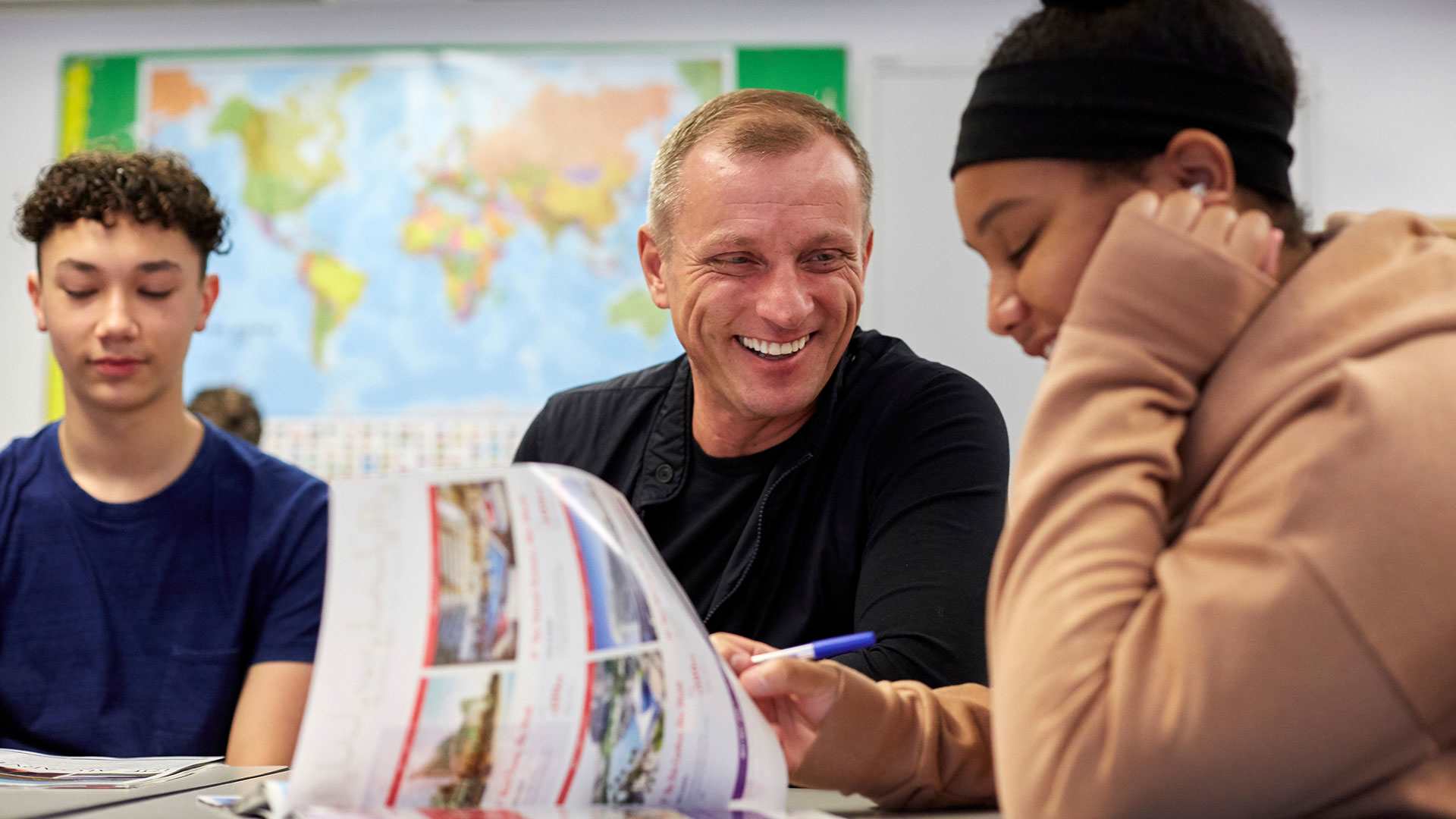
If your child is struggling, it can help to talk to their school and find out what support they can offer. You can get in touch with any member of school or college staff. This could be:
Depending on their age, your child might want some control over what you tell school. You could ask them who they would feel most comfortable for you to talk to. You could also ask if there’s anything they don’t want you to mention.
The kind of support available varies at each school. These are the types of things you could ask for:
If your child is at university, they can access help through the university's student support services. This usually includes a free counselling service for students, which most universities provide.
You can find more information about finding help at university in our guide for parents and carers.
Early help is provided by your local council or authority. It includes support from professionals such as:
Early help practitioners will work with you to identify what your family needs. You may be able to get help like:
To find out more about how early help works and how you can access it, have a look at our guide for parents.

Our early help contact built a relationship with the whole family over time, so they had a good understanding of our family's needs and could really advocate for us.

You may need to find legal help or advocacy support because you are:
Making sense of legal rights and navigating services can feel overwhelming. We’ve got a list of organisations who can help you work out the next step.
Advocates are independent, trained support workers. They can help your child to:
These organisations provide advocacy services:
Provides mental health advocacy services, and information and advice about advocacy - including for children and young people in inpatient care.
Free advocacy services, including for people staying in hospital to receive treatment for their mental health.
These organisations can provide information about mental health law, including:
Provides information and advice on mental health law for over 18s, including on being detained, mental capacity, community care and discrimination and equality.
Advice and support for autistic people who have been detained in a mental health hospital, or are at risk of being detained, and for their families.
Contact them using this online form, and someone will be in touch to offer support.
Provides legal advice on children’s rights and child law across Scotland - including around issues such as parent contact, education, health, social work and confidentiality.
Free legal advice and information for children, young people and parents in Northern Ireland. Covers topics such as mental health law, family law and education law.
These organisations can provide information and advice around issues such as:
SENDIAS stands for Special Education Needs and Disability Information, Advice and Support. Every local authority is required to fund a SENDIAS service for their area. But SENDIAS works separately to the local authority and does not work on the local authority’s behalf. This means they can provide free and independent advice about Special Educational Needs and Disabilities (SEND). You can search for your local SENDIAS online or call your local council to ask for their contact details.
Provides legally based advice and support to help families get the right education for children and young people with special educational needs and disabilities (SEND).
Alongside calling their Helpline, you can also book an appointment with their Advice Line or Tribunal Helpline.
Provides free legal advice about education and family issues to parents, carers and young people.
You can contact them by email about education law or about family and child law. You can also speak to them over webchat (open 8am - 5.30pm, Monday - Friday).
Provides legal advice on children’s rights and child law across Scotland - including around issues such as parent contact, education, health, social work and confidentiality.
Free legal advice and information for children, young people and parents in Northern Ireland. Covers topics such as mental health law, family law and education law.
These organisations can help with things like:
Provides free legal advice about education and family issues to parents, carers and young people.
You can contact them by email about education law or about family and child law. You can also speak to them over webchat (open 8am - 5.30pm, Monday - Friday).
Provides support, information and advice to parents whose children are involved with, or in need of, social services because of safety or welfare concerns - as well as parents and relatives of children in the care system.
You can call their helpline or contact them by webchat, which is open 2-4pm on Mondays and Wednesdays.
National helpline providing faith and culturally sensitive support and advice for Muslim women.
A webchat service is available on their website.
Provides legal advice on children’s rights and child law across Scotland - including around issues such as parent contact, education, health, social work and confidentiality.
Free legal advice and information for children, young people and parents in Northern Ireland. Covers topics such as mental health law, family law and education law.
Legal aid can help you cover the costs of a legal process. Through legal aid, you may be able to access:
For more information about qualifying for legal aid, visit the government website.
If you do qualify for legal aid, you can use the government’s free legal advice service.

Your child may be able to get free or low-cost mental health support through local charities. You can contact these organisations yourself to ask what’s available. Your child won’t usually need to see a GP or another mental health professional to use these services.
Local charities and organisations can provide things like:
You can search for these organisations online. Or ask your GP or child’s school for suggestions. You can also try using these directories:
Provides information about local counselling and advice services for young people aged 11-25.
Put in your location and what you need help with into their 'Find help' search, and see what services are available in your area.

We offer support, information and advice to parents and carers who are concerned about their child’s mental health. You can speak to us over the phone or chat to us online.

A resource to help you prepare for appointments with professionals like GPs and CAMHS workers.

Practical advice on helping your child with their feelings or behaviour, a mental health condition or difficult life events.
While we take care to ensure that the organisations we signpost to provide high quality information and advice, we cannot take responsibility for any specific pieces of advice they may offer. We encourage parents and carers to always explore the website of a linked service or organisation to understand who they are and what support they offer before engaging with them.
We support parents and carers who are concerned about their child or young person's mental health. We can provide detailed information and advice, emotional support and signposting.
You can speak to us over the phone or chat to us online. When we’re closed, you can still leave us a message and we'll get back to you in 3-5 working days.
Provides information about local counselling and advice services for young people aged 11-25.
Put in your location and what you need help with into their 'Find help' search, and see what services are available in your area.
Connects Black individuals and families with free professional mental health services across the UK.
If you’re under 19 you can confidentially call, chat online or email about any problem big or small.
Sign up for a free Childline locker (real name or email address not needed) to use their free 1-2-1 counsellor chat and email support service.
Can provide a BSL interpreter if you are deaf or hearing-impaired.
Hosts online message boards where you can share your experiences, have fun and get support from other young people in similar situations.
Provides support to anyone aged 16+ who is feeling down and needs to talk or find information.
Free webchat service available.
Read information about the helpline and how it works.
Whatever you're going through, you can contact the Samaritans for support. N.B. This is a listening service and does not offer advice or intervention.
Offers confidential advice and support if you're struggling with suicidal thoughts, and information about how to make a safety plan.
Its helpline service - HOPELINE247 - is available to anybody under the age of 35 experiencing suicidal thoughts, or for anyone concerned that a young person could be thinking about suicide.
There is a chat service available on the website.
Formerly known as MeeToo. A free app for teenagers (11+) providing resources and a fully-moderated community where you can share your problems, get support and help other people too.
Can be downloaded from Google Play or App Store.
Provides faith and culturally sensitive support for young Muslims.
Online chat service available during opening hours.
Whether you love the page or think something is missing, we appreciate your feedback. It all helps us to support more young people with their mental health.
Please be aware that this form isn’t a mental health support service. If you are in crisis right now and want to talk to someone urgently, find out who to contact on our urgent help page.
At YoungMinds we take your privacy seriously. If you’d like to read more about how we keep the information we collect safe, take a look at our privacy policy.