
- For:
- Schools,
- NHS staff and commissioners,
- Youth workers

Activities for professionals and volunteers working with young people to help build positive mental health and wellbeing in a range of settings. This includes downloadable worksheets and instructions on how to use these activities one-to-one or in larger groups.
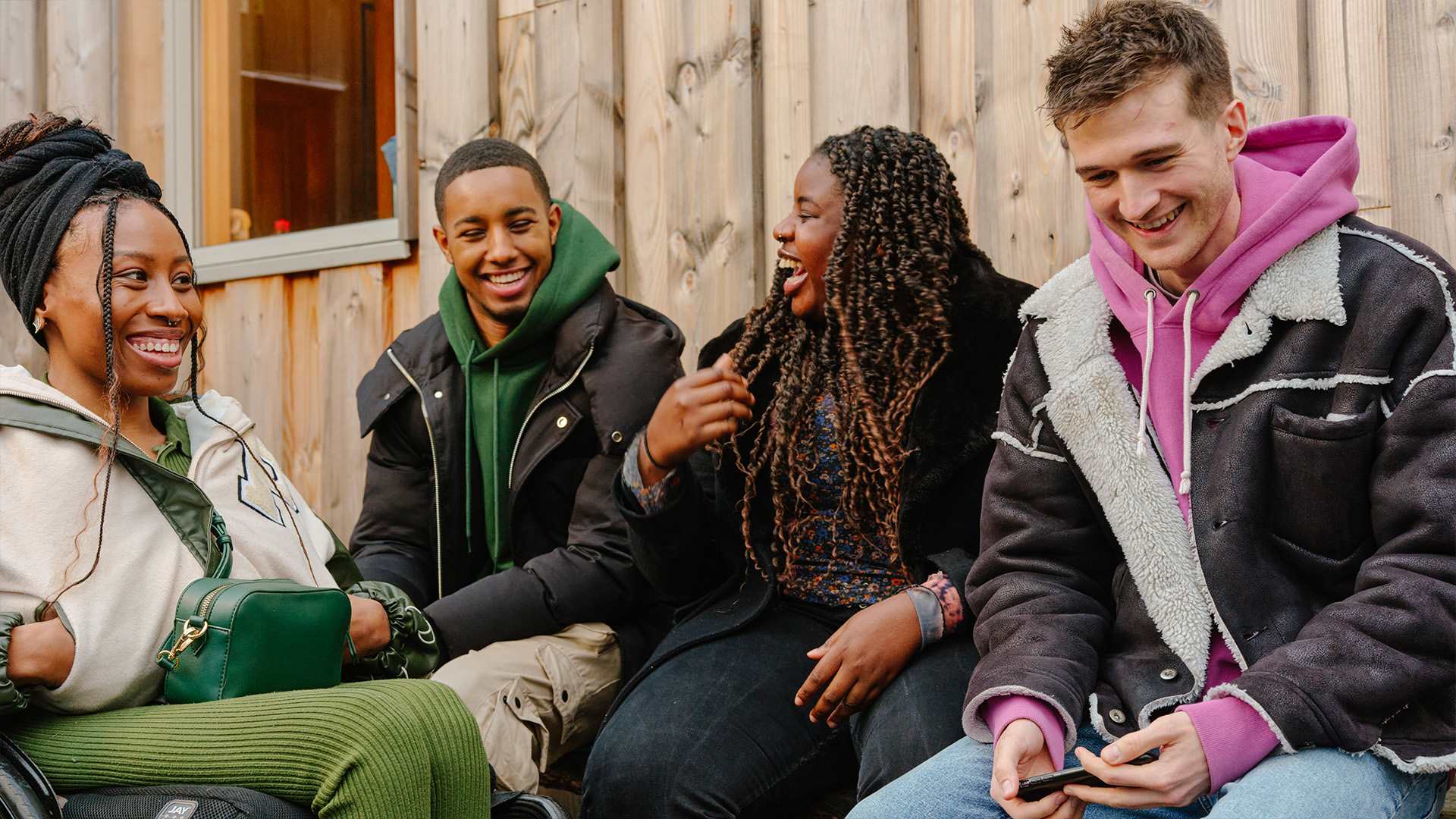
We know that teachers, youth workers and community group leaders all play a role in helping young people and children talk about their mental health. We also know that learning, continuous support and encouragement, and a sense of achievement, are ways of improving mental health and wellbeing.
From sports clubs to the classroom, these activities can be adapted to help children and young people build positive mental health.
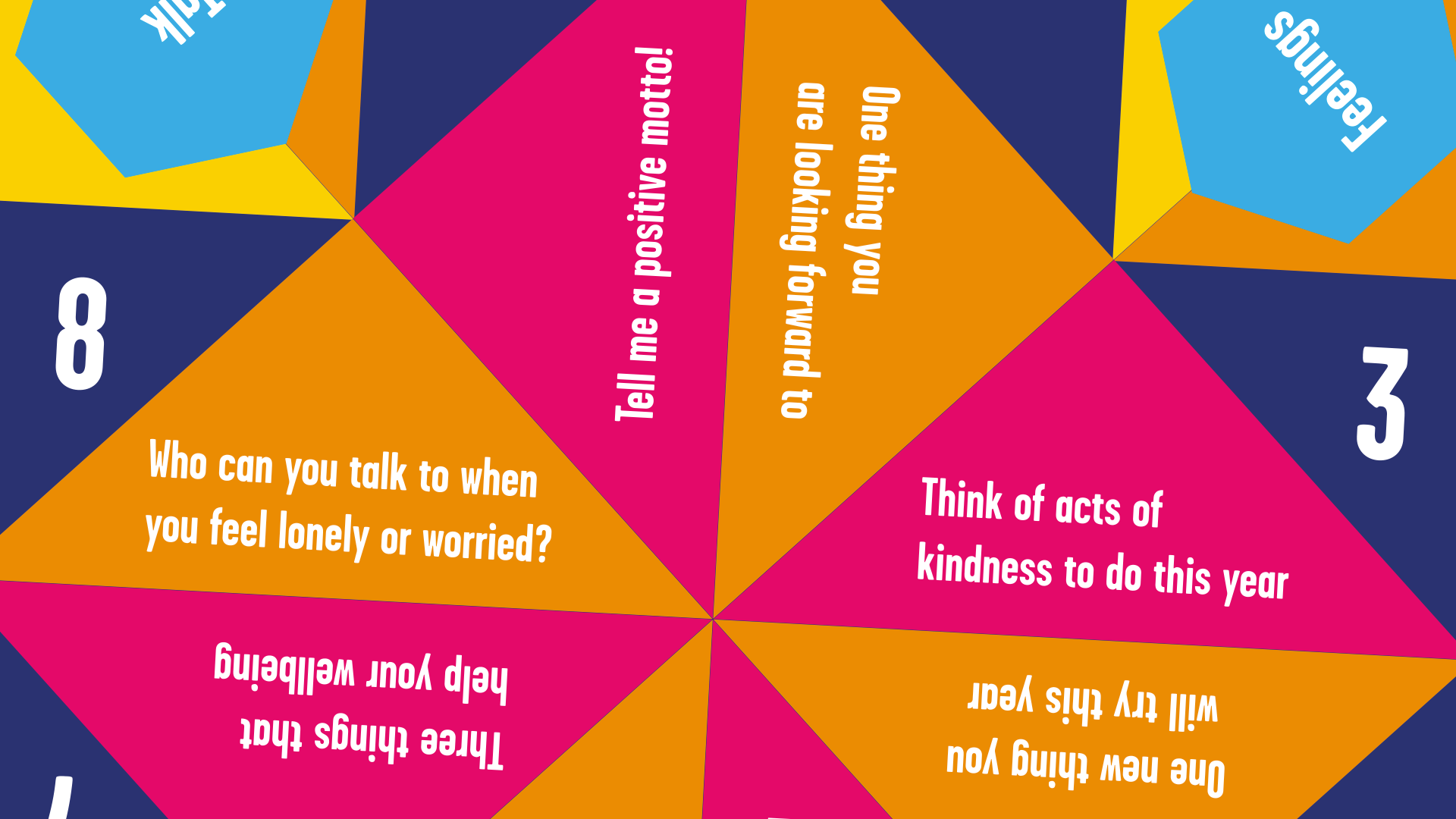
A preview of the chatterbox chat resource with written questions and statements including: 'Who can you talk to when you feel lonely or worried?', 'Tell me a positive motto!', 'One thing you are looking forward to', 'Think of acts of kindness to do this year', 'One new thing you will try this year' and 'Three things that will help your wellbeing'.
This is a great activity to talk about feelings and get young people sharing their ideas. Having a game, puzzle or activity to focus on can help a young person feel more comfortable talking about something for the first time, as it moves the focus off the young person onto the activity. In a one-to-one session, this can be particularly helpful if the topic is new to a young person. In a group setting, this activity allows young people to share ideas with each other.
Document type: PDF Document size: 0.2MB
An image of two clouds. Underneath the writing reads: 'Hope clouds'.
Hope can be a useful line of defence against feelings of depression and help with emotional wellbeing. This activity works well with young people of any age and provides a good activity for the start of a new season, year, term or week.
Keeping long-term goals in mind can help children and young people to persevere when they face challenges along the way.
Document type: PDF Document size: 0.7MB
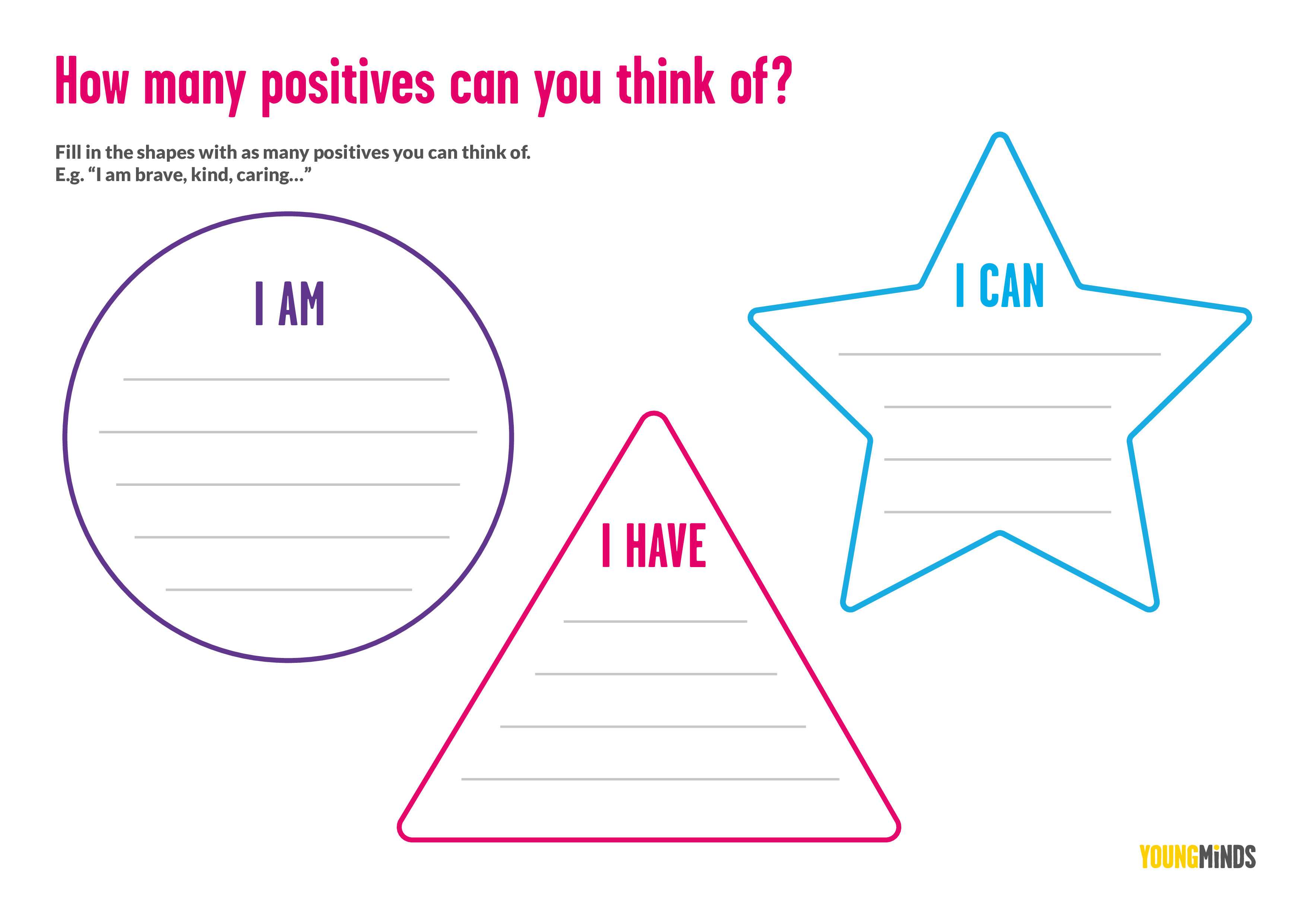
A preview of the 'How many positives?' resource with 'I am', 'I can', and 'I have' written in shapes.
Thinking positively or negatively (being optimistic or pessimistic) can become a habit which can affect mood and levels of happiness. When there’s lots of negative news in the media, and genuine worries, it can be hard to remember the positives from each day. This idea helps young people consider the positives in their day and keep the negatives from becoming overwhelming. This activity could focus on seeing the positives in themselves as well as the world around them.
Document type: PDF Document size: 0.19MB
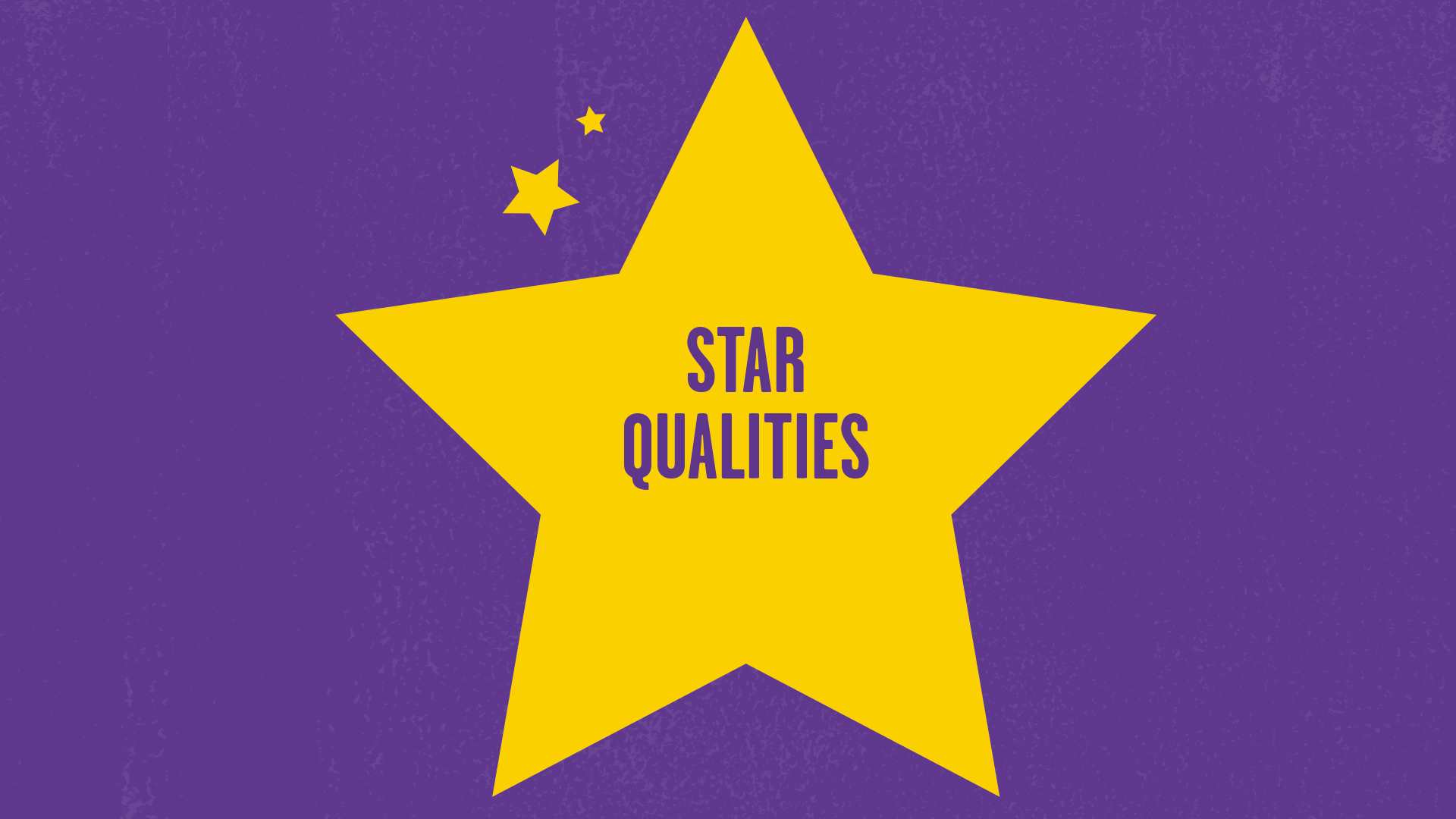
A picture of a yellow star on a purple background. Inside the star it reads 'star qualities'.
Sometimes young people find it hard to believe positive things about themselves, and for many it is easier to believe the negative things. Taking notice of the successes, strengths, talents and interests of the young people you work with will build their resilience, self-esteem and confidence. This star qualities activity will encourage them to use what they have achieved as a way of helping them cope with stress and adversity.
Document type: PDF Document size: 0.1MB
• a small ball
• a star outline for each young person
This activity may be uncomfortable for some young people in the group. Model how to think of positive qualities that reflect the range of people in your group. Try to steer people away from qualities about appearance, as this can put pressure on them and others to look a certain way. Reinforce rules and that this is a safe space for everyone to share opinions.
This is a fun activity for slightly older children, young people and adults alike to consider what has got them through tough times before, but also to learn tips from each other for keeping going.
Take a look at the instructions below for how to use this resource, or watch our video as an example of using this activity with teachers in school.
Document type: PDF Document size: 1.1MB
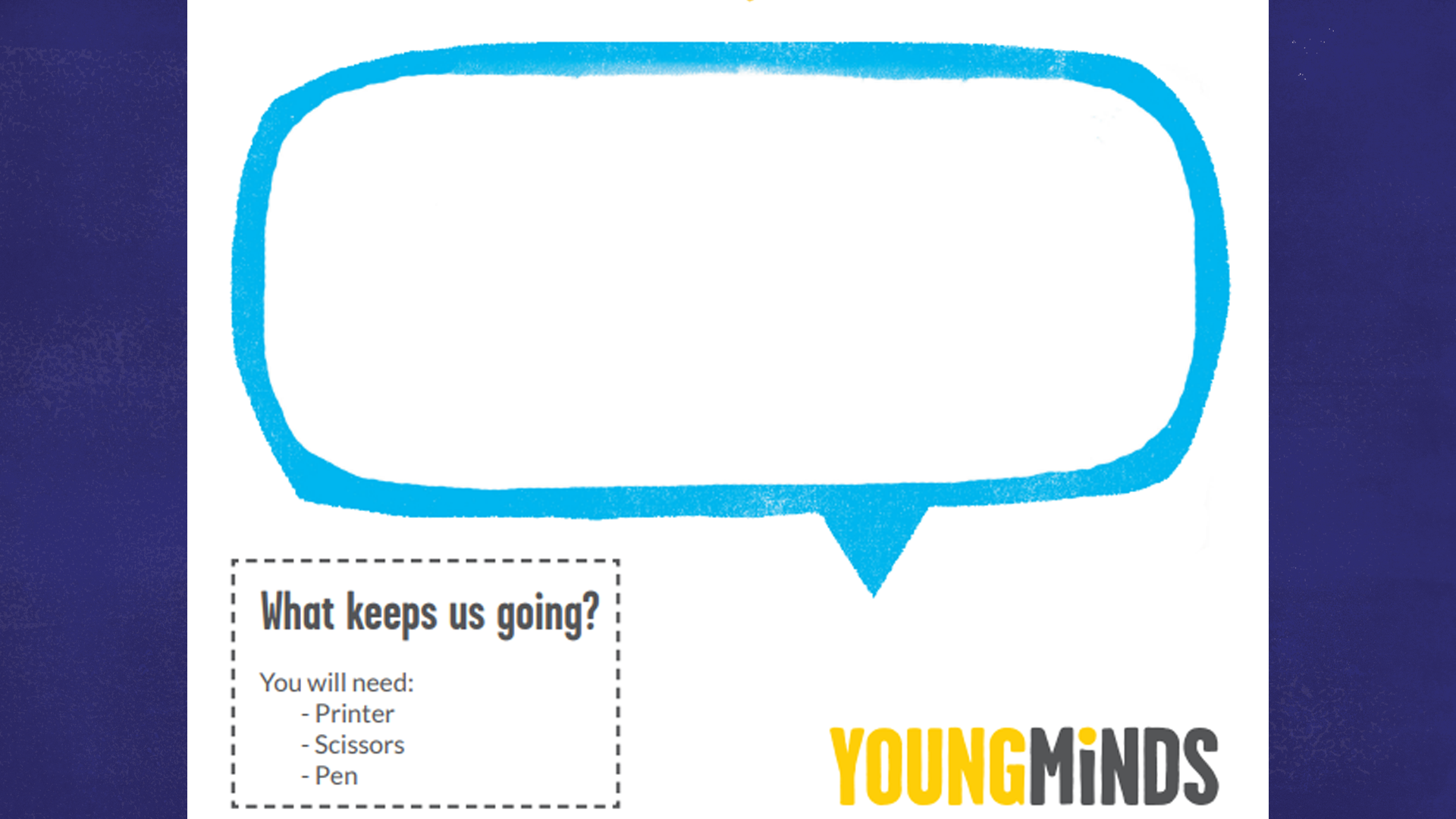
A preview of the resource showing a speech bubble cut-out. The text reads: 'What keeps us going? You will need: printer, scissors, pen'.
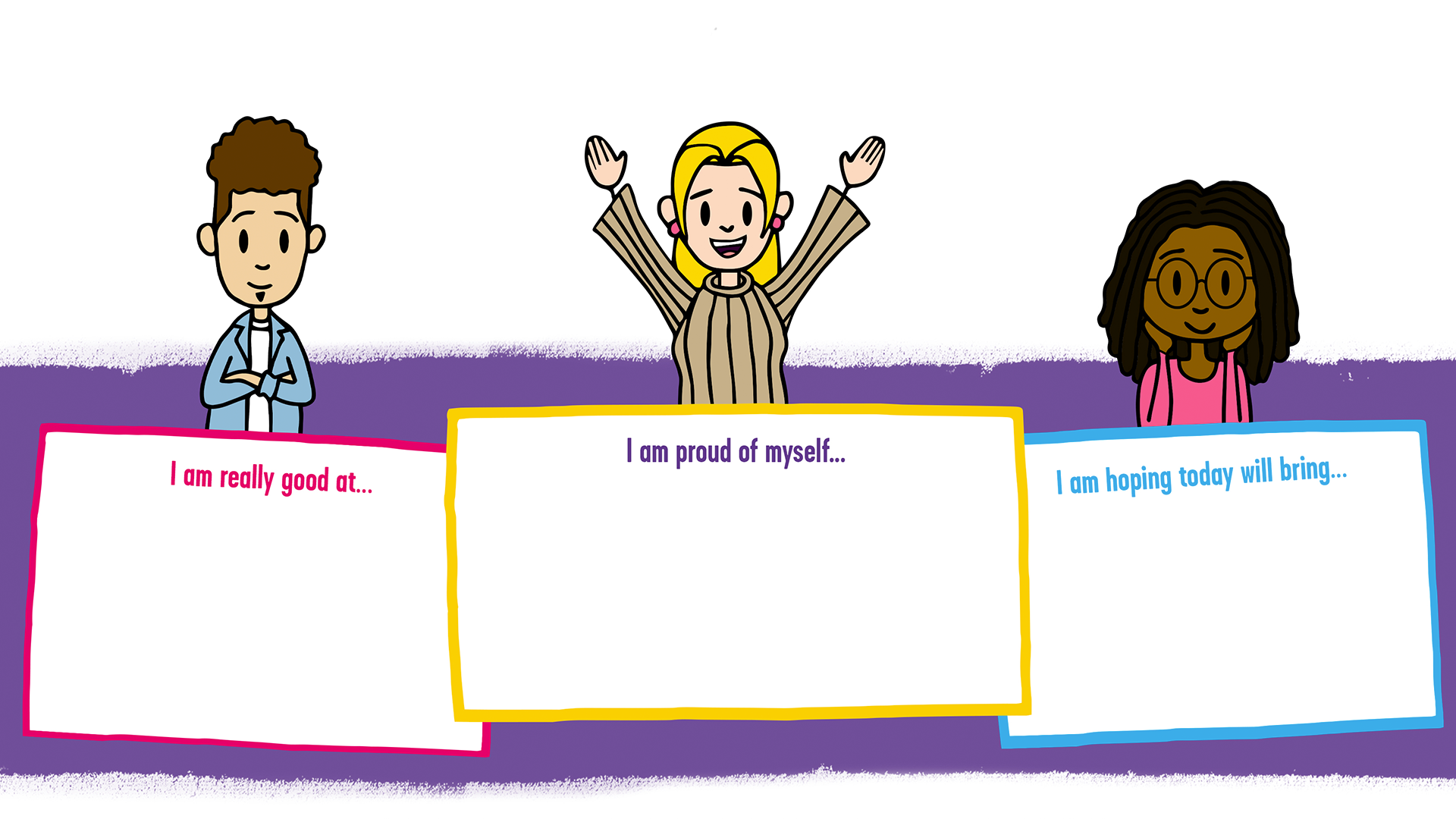
A preview of the 'How many positives?' resource with 'I am', 'I can', and 'I have' written in shapes.
We have lots of resources to help you build positive mental health and wellbeing with the children and young people you work with. Take a look at some more resources below.

