
Coping with change isn't always easy

As a parent or carer, you’ll know that young people go through many different types of change. Some are expected, like starting secondary school or preparing to go to university. Others maybe more difficult or unexpected, such as family separation, bereavement, or moving home.
Some transitions can be exciting or positive, and may bring new opportunities, experiences or a sense of independence.
Others, big or small, can feel scary or overwhelming. Some young people adjust quickly, but others may find change very difficult, particularly if they feel unprepared, unsupported, or unsure about what’s happening. Some young people may experience several changes at the same time – for example starting a new school while moving home or dealing with friendship difficulties.
When changes build up like this, they can feel more intense and harder to cope with. Even changes that seem small can have a big impact depending on what else is going on in your child’s life. You might also be going through the same change, making it harder for you to support your young person.
This guide is here to help you understand why change can feel difficult for your child, and to give you practical ways to support them through it.
Types of change
Young people experience many different types of change as they grow up. Some are part of everyday development, while others can be unexpected or more difficult to manage.
These can include:
Like starting in a new class, moving to secondary school, changing schools, starting college or university, or preparing for exams.
Including moving house, changes in living arrangements, or family separation.
Such as divorce, new partners, blended families, or changes in contact with a parent.
Including the death of or loss of close contact with a family member, friend, or someone else important in your child’s life
Like making new friends, losing friendships, or difficulties with peers.
Including changes to physical health conditions, gender identity, sexuality, mental health challenges, religion, cultural identity, or any other changes in how a young person understands themselves.
Like the COVID-19 pandemic, war or conflict, climate anxiety, financial pressures, discrimination, or distressing news stories that may affect how safe or stable a young person feels.
Despite the secondary school being relatively small and supposedly inclusive they didn’t make meaningful adjustments for my autistic son, who struggled to cope with all the changes.
Why can change be so difficult?
Change can sometimes be really exciting. But it can also bring uncertainty. Even when a change is planned or expected, it can still feel unfamiliar, unpredictable, or out of a young person’s control.
Your child may find change harder if they:
-
don’t feel ready for it, or don’t want it to happen
-
feel worried about what’s coming next
-
are leaving behind something important like friendships, routines, or a familiar environment
-
feel they don’t have a say in what’s happening
-
are expected to cope quickly without enough support
-
are already dealing with other challenges like anxiety, low mood, bullying, or difficulties at school
-
are neurodivergent (for example, have a diagnosis of autism or ADHD), and already find changes in routine, environment or expectations particularly overwhelming.

Signs your child may be struggling
For some children and young people, times of change can become overwhelming and start to affect their day-to-day life.
You might notice changes in your child’s behaviour, body language, mood or routines. These signs can sometimes come on gradually, or they may feel sudden.
Your child might:
-
become more anxious, withdrawn, or easily overwhelmed
-
avoid situations they previously managed, such as school or social activities
-
have stronger emotional reactions, including anger, distress, or shutting down
-
struggle with sleep, eating, or self-care
-
lose confidence or interest in things they used to enjoy
-
seem overwhelmed by things they would usually cope with
Sometimes young people won’t say directly that they are struggling. Their behaviour may be how they communicate their feelings.
You might feel unsure why your child is finding things difficult, especially if the change seems small from the outside. But even small changes can have a big impact, particularly if other things are going on in your child’s life.
If these changes last for several weeks, get worse, or start affecting daily life, it may be a sign your child needs professional support.
If you’re concerned, it’s important to trust your instincts and take these signs seriously.
Supporting your child through change
There isn’t one single way to support your child through change. What helps will depend on their personality, past experiences, and what’s happening in their life.
The most effective support will depend on the child’s individual needs, personality, past experiences, and the nature of the change they are experiencing.However, parents told us there are some approaches that can make a difference across many different types of change.
You might find it helpful to:
-
Prepare them for what’s coming
Talk about changes in advance where possible and help them understand what to expect. Breaking things down into smaller steps can make change feel more manageable.
-
Keep communication open
Let your child know they can talk to you in their own time. This might not always be through direct conversation – spending time together or talking side-by-side can help them feel more comfortable.
-
Be a steady and reassuring presence
Your child may look to you for stability during uncertain times. Staying calm and consistent can help them feel safer. It’s important to respond in a gentle, calm, consistent manner as much as you can.
-
Acknowledge and validate their feelings
Even if a change seems small, it may feel significant to your child. Let them know it’s okay to find things difficult.
-
Keep routines where possible
Familiar routines can provide a sense of safety when other things are changing. Gently remind your child of the aspects of their day they still have some control over during periods of change. You might also want to support their autonomy in small manageable ways – like allowing them to pick their own meals, clothes, or use of their free time.
-
Reduce pressure during difficult periods
Your child may need more time and space to adjust. Focus on what feels manageable rather than expecting them to cope with everything at once. Consider slowing down the pace of the day when possibly, offering a greater buffer time between scheduled activities.
“My daughter just needed someone to talk to, to help make sense of what was happening for her.”
“Communication is key. We worked really hard as a family unit to talk constantly about what was happening and how we felt about it.”
Some types of change can bring specific challenges. Below are some key changes your child or young person might go through, and guides for young people that might help them make sense of how they’re feeling.
Changes in education can be particularly challenging, especially if expectations increase at the same time. It can help to share what your child is finding difficult with staff early, ask what support can be put in place, and give your child time to adjust rather than expecting things to settle quickly.
School, college, or university
Changes in education can be particularly challenging, especially if expectations increase at the same time. It can help to share what your child is finding difficult with staff early, ask what support can be put in place, and give your child time to adjust rather than expecting things to settle quickly.
Changes to identity (including physical or mental health, religion, or gender identity)
Changes in how your child understands themselves can be complex and ongoing. Feeling accepted, listened to, and supported without pressure to explain or “figure things out” quickly is especially important during this time.

We also have more advice in our parent guides:
Supporting neurodivergent young people through change
Change can be particularly difficult for young people who identify with having ADHD or autism. Many parents told us that neurodivergent young people found changes in routine, environment or expectations especially overwhelming, particularly when support wasn’t in place.
For some, anxiety around change can build quickly and lead to shutdown, distress, or refusal to attend school or take part in everyday activities. Parents also described how their child might appear to cope in some settings, but later become overwhelmed or distressed at home.
You might find it helpful to:
-
Prepare your child for changes as early as possible
Talk through what will happen, when, and who will be involved. Visual supports, timetables or step-by-step explanations can help. A gradual period of anticipation is recommended where possible.
-
Reduce uncertainty where you can
Keeping routines predictable and giving advance notice of changes can make a big difference.
-
Be aware of masking
Some young people may hide how they’re feeling in school or other settings, which can make it harder for others to recognise their needs.
-
Allow time to recover
Your child may need time to decompress after school or other stressful situations. Offer low-sensory time at home where possible.
-
Be sensitive to sensory changes
New environments, routines, noises, smells, or social situations can feel overwhelming. Where possible, try to identify and reduce sources of sensory stress, and give your child space to regulate when they need it.
Looking after yourself as a parent
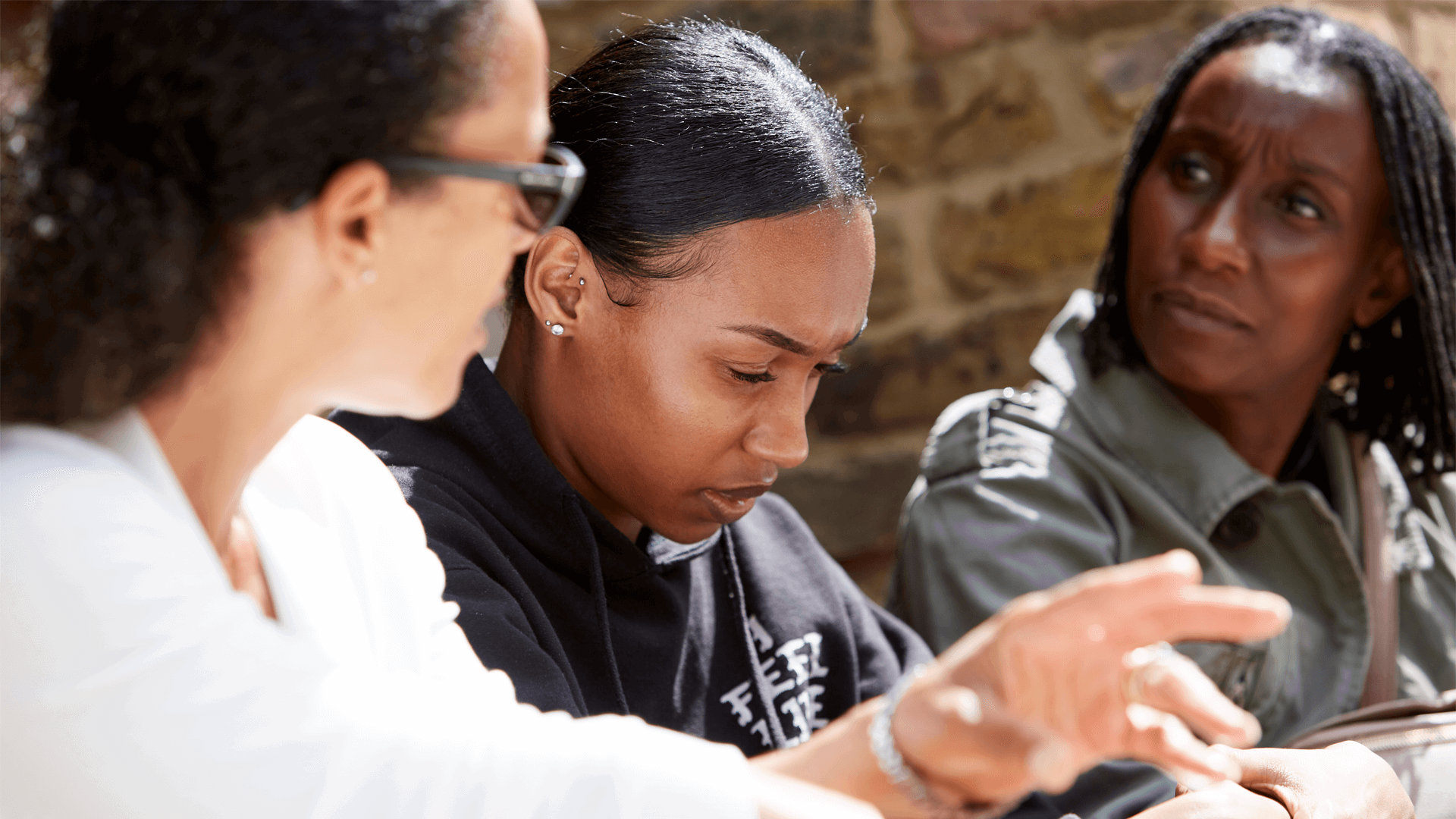
Supporting your child through change can be demanding, especially when you may be dealing with changes in your own life at the same time.
Many parents told us that during these periods they felt overwhelmed, isolated, or unsure if they were doing the right thing. Trying to support your child while navigating schools, services, or family changes can take a lot of emotional and practical energy.
You might find it helpful to:
It’s okay to find this difficult. Supporting your child through change can bring up worry, stress, or uncertainty.
It’s easy to feel responsible for how things are going, but you’re doing your best in a difficult situation. Try not to blame yourself if things feel hard.
Sharing how things are feeling with a friend, family member, or support network can help you feel less alone.
Even short breaks can make a difference when things feel intense or overwhelming.
You don’t have to solve everything at once. Focus on what feels manageable right now.
This might include reaching out to your child’s school, your GP, or support services if you need additional help.
“I felt isolated and alone after getting divorced, struggling to find information for me and support for my child. I worried that every choice was the wrong one.”
Real stories from parents


You might also find helpful...


Useful helplines and websites
While we take care to ensure that the organisations we signpost to provide high quality information and advice, we cannot take responsibility for any specific pieces of advice they may offer. We encourage parents and carers to always explore the website of a linked service or organisation to understand who they are and what support they offer before engaging with them.
-
YoungMinds Parents Helpline
We support parents and carers who are concerned about their child or young person's mental health. We can provide detailed information and advice, emotional support and signposting.
You can speak to us over the phone or chat to us online. When we’re closed, you can still leave us a message and we'll get back to you in 3-5 working days.
- Opening times:
- 9.30am-4pm on Mondays, Thursdays and Fridays; 9.30am-6pm on Tuesdays and Wednesdays
-
Family Line
Provides information and support around family issues, as well as longer-term help through Befrienders and Counsellors.
- Opening times:
- 9am - 9pm, Monday - Friday
-
Youth Access
Provides information about local counselling and advice services for young people aged 11-25.
Put in your location and what you need help with into their 'Find help' search, and see what services are available in your area.
-
Childline
If you’re under 19 you can confidentially call, chat online or email about any problem big or small.
Sign up for a free Childline locker (real name or email address not needed) to use their free 1-2-1 counsellor chat and email support service.
Can provide a BSL interpreter if you are deaf or hearing-impaired.
Hosts online message boards where you can share your experiences, have fun and get support from other young people in similar situations.
- Opening times:
- 24/7
-
Anxiety UK
Provides information, support and advice for anyone struggling with anxiety. Please note that this organisation offers paid-for services, including therapy and an advice line.
- Opening times:
- 24/7
-
Tellmi
Formerly known as MeeToo. A free app for teenagers (11+) providing resources and a fully-moderated community where you can share your problems, get support and help other people too.
Can be downloaded from Google Play or App Store.
-
Ollee
A virtual friend for 8-11 year olds and their parents that helps families think about feelings and talk about difficult topics. Download the app.
-
Muslim Youth Helpline
Provides faith and culturally sensitive support for young Muslims.
Online chat service available during opening hours.
- Opening times:
- 4pm - 10pm, 365 days a year
Whether you love the page or think something is missing, we appreciate your feedback. It all helps us to support more young people with their mental health.
Please be aware that this form isn’t a mental health support service. If you are in crisis right now and want to talk to someone urgently, find out who to contact on our urgent help page.
At YoungMinds we take your privacy seriously. If you’d like to read more about how we keep the information we collect safe, take a look at our privacy policy.

This page was reviewed in June 2026.
It was created with parents and carers with lived experience of supporting their child or young person with social media use.
We will next review the page in 2029.
YoungMinds is a proud member of PIF TICK – the UK's quality mark for trusted health information.