A father and son laughing and looking happy together by a wall

Programme two: Someone To Turn To

Parents, carers and trusted adults play a crucial role in supporting young people’s mental health. At a time when services are harder to access and needs are becoming more complex, families and professionals often tell us they need clear, practical support they can rely on.

This year, we continued to strengthen our support for the adults young people turn to first. Through our Parents Helpline, trusted online information, community partnerships and training for professionals, we helped parents feel less alone, built confidence in those supporting young people day to day, and ensured lived experience shaped services and systems.

Together, this work helps more young people get the understanding, care and support they need, when they need it.

Our strategic aims

  • Every young person has adults in their life who they can turn to

    Every young person has adults in their life who they can turn to for help with their mental health, whether that's at home, at school or in their community.

  • Every adult who wants to help a young person, can

    Every adult who wants to help a young person with their mental health can come to us to gain the skills and confidence to do so.
Information and advice for parents and carers

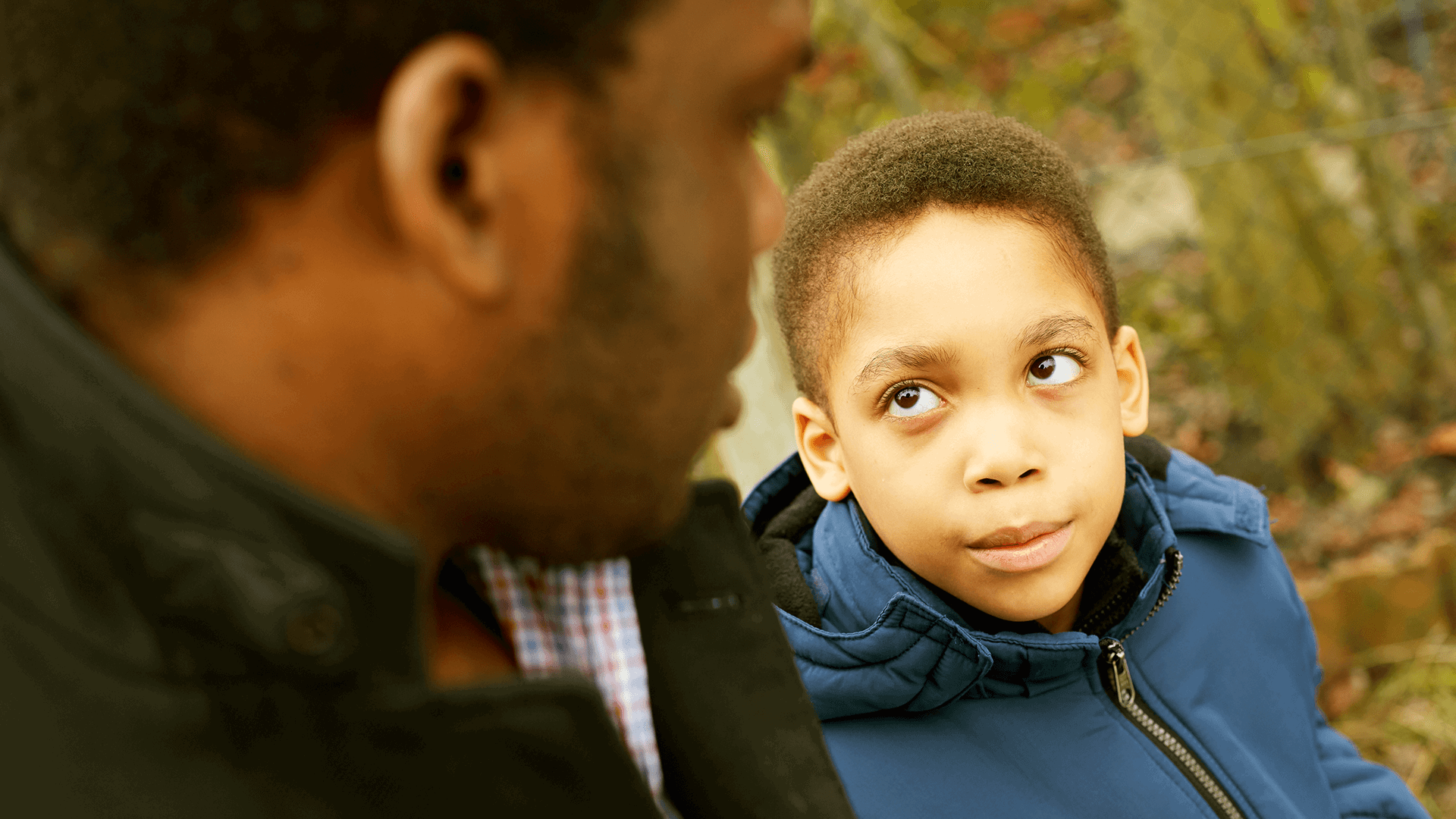
A child sat next to his father and looking up to him.

Our website provides practical, trusted advice for parents and carers to understand and support their child's mental health, reflecting the real experiences of families and the guidance they’re looking for.

This information is designed to empower parents, helping them feel more confident, supported, and able to help their children thrive.

This year, the parents section of our website received 1,749,583 page views, with our most popular guide being school anxiety and refusal.

View our information and advice for parents

To help with our mission to increase participation, we received two-year funding from the Hollyhock Foundation to create a Parent Panel. The Panel will ensure parents are at the centre of service design, content creation and YoungMinds decision making. Particularly parents from racialised minority communities and fathers, continuing our commitment to improve access for underrepresented groups.

Real stories and advice

Our parent blogs share first-hand experiences, practical tips, and expert guidance from families and our Specialist Advisers.

This year, we responded to what parents want with new blogs. Take a look at some below.

Working with partners in the community

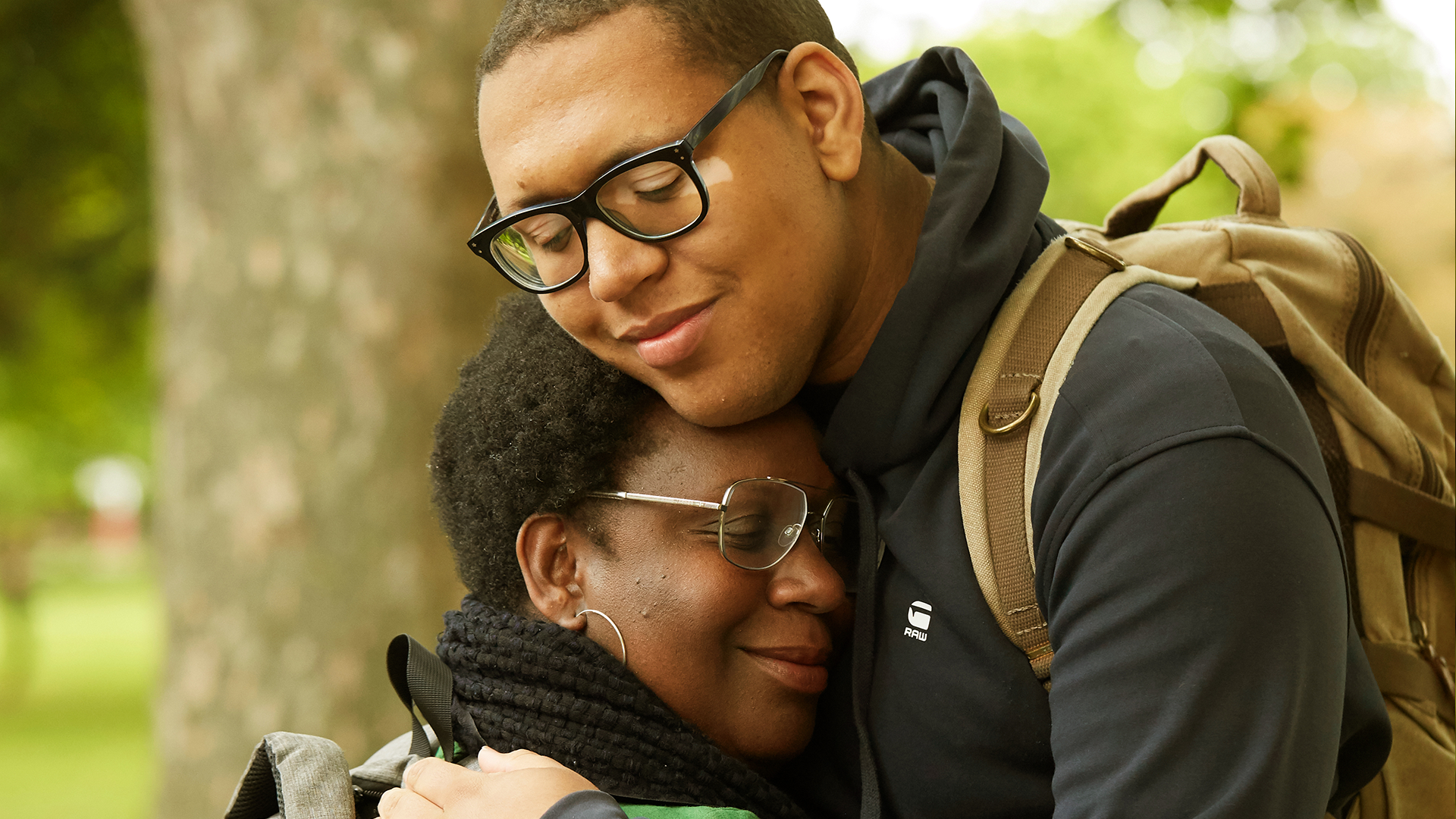
A mother and son hugging.

Our community work throughout the year resulted in 65 engagement sessions, ranging from school roadshows, local forums, information stands and online briefings. This year we launched our Parent Engagement Volunteer Ambassador pilot, where two experienced former Helpline volunteers tested different support models within organisations. Firstly, place-based relationship-building, through Hackney CVS and the Children and Families network. And issue-led outreach to larger organisations including Watford General Hospital, Watford FC, Carers CIC Birmingham and Herts Local Authority.

Working with Partners in this way highlighted the impact a small, skilled volunteer cohort can have, increasing our presence through generating talks, presenting stalls and information sessions.

A woman on her mobile phone

Supporting parents and carers through our Helpline

Our helpline and webchat provide a lifeline for thousands of parents and carers. We quickly and easily connect parents with our trained advisors who offer support, information and practical advice.

Over the last 12 months, we supported just under 12,000 parents and carers through our helpline. That includes 6,278 calls, 3,283 emails and 1,848 webchats.

Although this figure is down on last year, each call is focused on what matters most to the callers: being heard, feeling less alone, and leaving with clear next steps.

See our Parents Helpline

What do parents think of our Helpline?

Our latest evaluation shows:

  • 87% of users would recommend the phone service
  • 83% recommend our parent web content

After contacting us:

  • 60% said their understanding of their child’s mental health improved
  • 68% said they were coping better
  • 75% said they were more aware of support and resources

Our monthly surveys showed that after helpline support:

  • 85% of respondents felt more confident to support their child or young person
  • 70% said the young person’s mental health had improved
  • 82% said they learned something new to help support their child or young person
The advisor helped me not feel so alone. I felt more hopeful after the call.
Parents Helpline caller

Reaching adults who support young people in the community

Guides and resources for professionals

Over the last year we’ve strengthened our offer for trusted adults, the people young people turn to first. We created three new web guides for trusted adults:

Our resources build confidence, with 94% of surveyed visitors telling us they felt more confident supporting a young person’s mental health. The Professional section of our website received 689,827 page views, with the resources section attracting 381,586 views. Our courses were viewed 42,521 times and our mental health training page received 37,163 views.

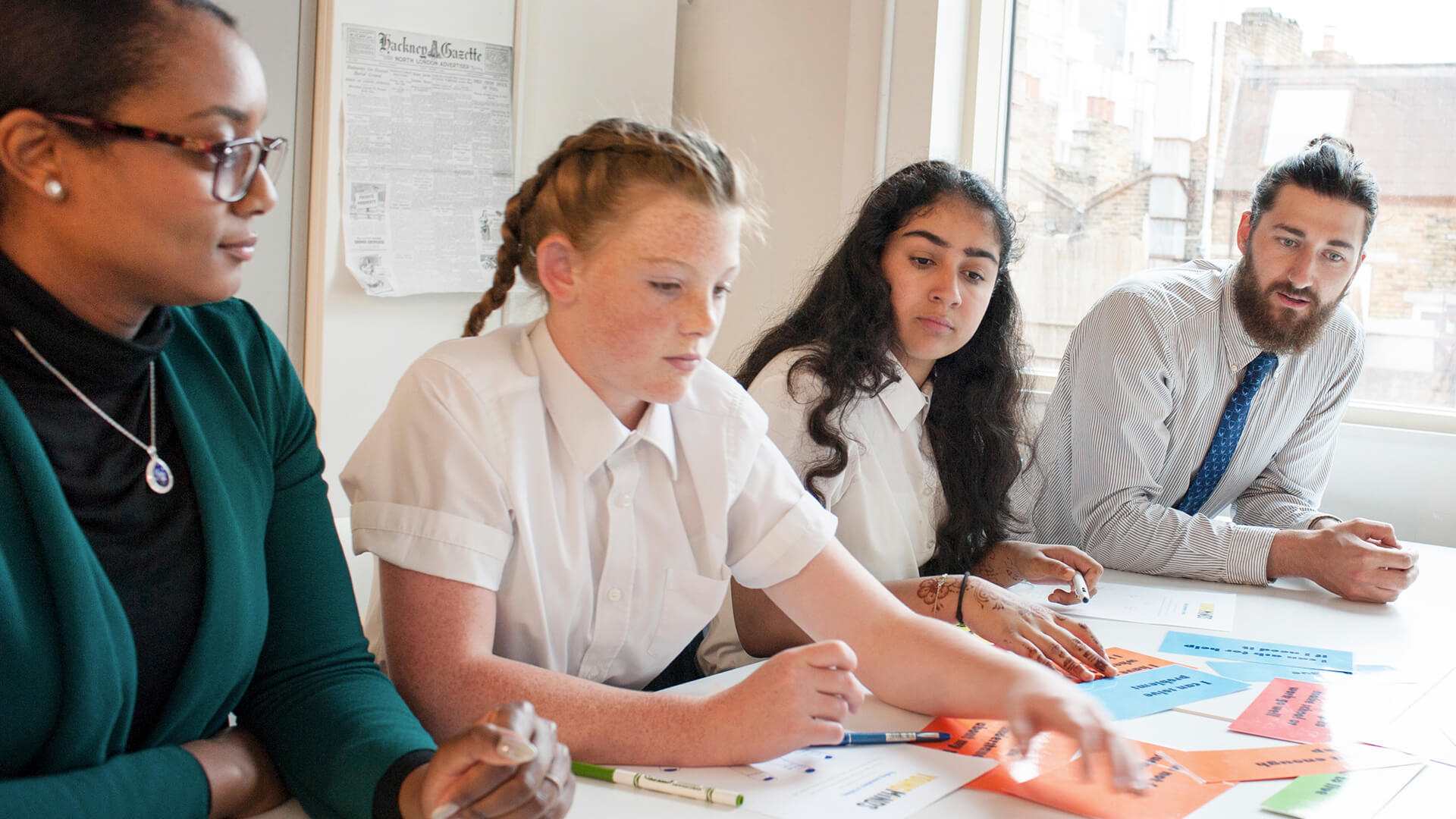
two teachers sits beside two students to guide them while working on an activity with written cards on the table

Supporting school communities

With funding from the Hodge Foundation, this year we launched Our School, Our Mental Health. The programme delivered our Whole School Approach to 15 schools across South Wales from February 2024 to July 2025.

We worked with schools using webinars, induction and planning calls, and workshops, supported by a comprehensive welcome pack. Each school is now working towards a school-wide plan for mental health and wellbeing, aligned to the Welsh whole-school framework.

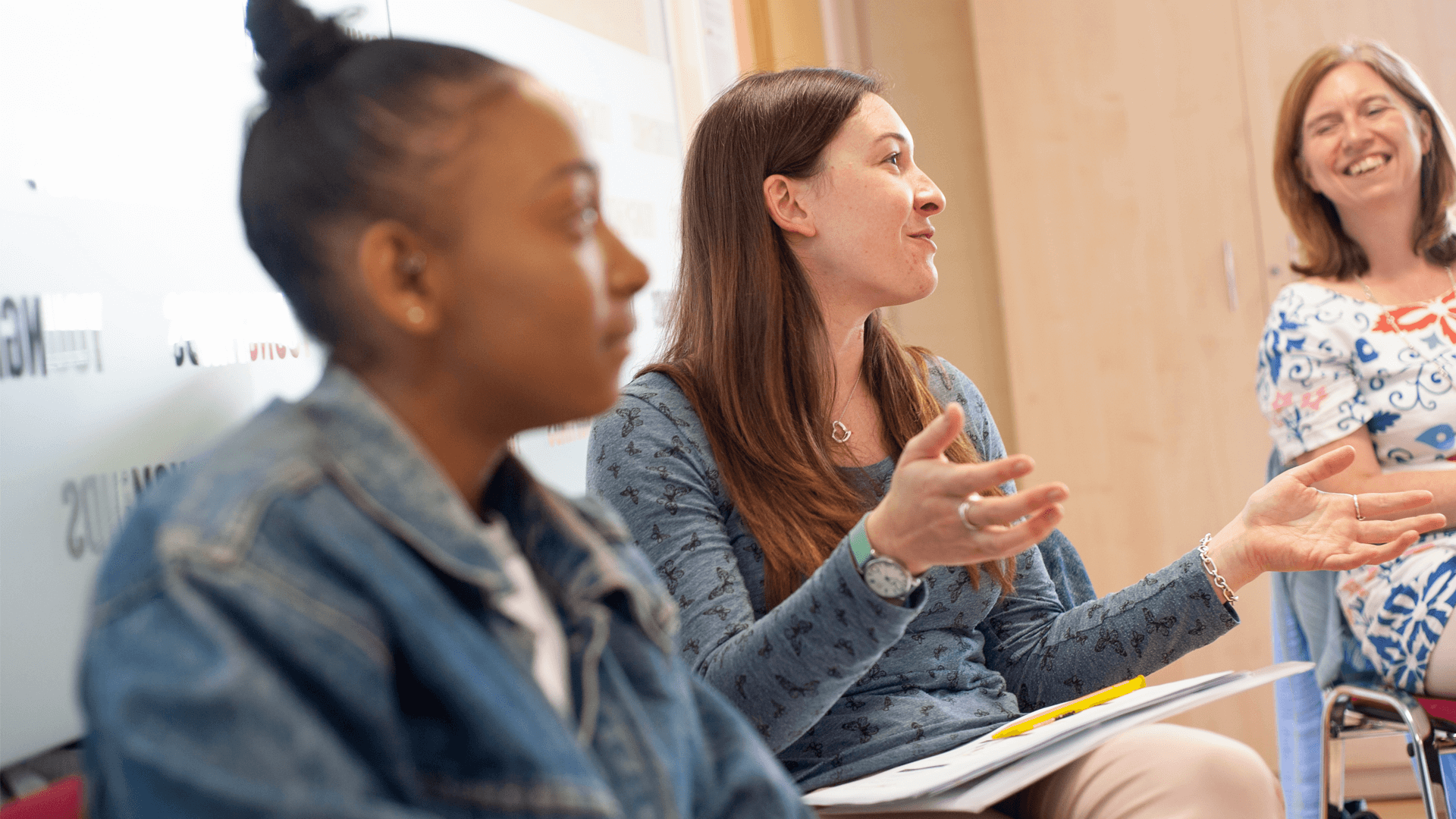
two mums are smiling while talking to each other during an activity

Developing better training

We continued to deliver training for professionals working with children and young people, helping them build the confidence, knowledge and skills to respond effectively to emotional wellbeing and mental health needs.

Between April 2024 and March 2025:

  • we trained 4,287 professionals
  • we delivered 125 courses, including: 62 keynotes and webinars, 60 mental health training sessions, and 3 participation courses

Across our training programmes:

  • 93% felt more confident to support the young person in their life with their mental health

  • 88% identified a practical next step they could take

  • 98% would recommend the course “very much so” or “to some extent”

Working with partners to shape better systems

Across 2024–25, we worked in partnership with researchers and system leaders to ensure young people’s lived experience shaped services, research and decision-making. Through workshops, studies and co-designed research, young people helped identify what needs to change and how systems can work better for them.

We have collaborated with KCL since 2018 on their Social Media, Smartphone Use and Self-Harm In Young People Study. This year, we captured what young people want trusted adults to understand about digital life and belonging online. Through the YoungMinds Youth Activist and Advisor programmes young people helped to design the study, interpret the findings and think about how they could be used to make a difference for other young people. We also gathered their opinions on the relationship between social media use and their mental health, creating two blog articles.

Working with Southampton researchers on their Missing Middle study along with young people aged 15–25 who weren’t accessing support, we explored the reality for those “not sick enough” for CAMHS yet still struggling. The research findings reinforced the importance of professionals recognising and validating need, and generated a set of new, practical ideas for mental health settings.

Using workshops for young people, we explored what better transitions from CAMHS to AMHS look like. The findings were young people wanted early, honest communication; written transition plans shared with the young person; and joint working between CAMHS and AMHS. These recommendations are now shaping professional guidance, and our training content for trusted adults.

We supported Surrey Heartlands to better understand the 16–25 transitions journey. Using workshops, surveys and young people’s insights, we produced recommendations that now inform local commissioning and practice improvements.

Shaping our organisational strategy with young people

Over the last 12 months, our Training & Service Design team led youth-participation activities, helping guide our strategy development and keeping young people firmly in the centre. The Young Design Group held multiple workshops, including Strategy Advisors and members of our Youth Panel.

These activities have helped shape our strategy in several ways:

  • We have framed strategic choices around community-anchored support and trusted-adults, not just clinical pathways, prioritising environments that feel safe, welcoming and empowering.

  • We are empowering trusted adults and connecting local networks, helping fulfil young people’s requests for adults who listen, don’t rush to fix, and care about building trust.

  • We will develop and call for more integration around navigation and signposting, helping develop better local and specific signposting, with clearer routes to help across education, community and health settings.

  • We have embedded a ‘systems lens’, advocating for joined-up, holistic pathways for mental health services, and for youth participation in design and decision-making as standard practice.

Looking ahead

Next year we will:

  • Extend our Parents Helpline hours

    We’ll trial later evening opening times three days a week, helping more parents access support when it suits them. With an AJEDI focus, we’ll work to reach parents and carers currently underrepresented in our caller data.

  • Launch our Parent Panel

    We’ll bring together a diverse group of parents and carers to shape our services, strengthen our understanding of families’ needs, and amplify parent voices, particularly those from Black and racialised communities.

  • Raise awareness of parent support

    Building on our partnership with M&S, we’ll increase awareness of the Parents Helpline among staff and customers, helping more parents know where to turn for support.